

Have you ever felt like the fashion world is speaking a different language? One day it’s “quiet luxury,” the next it’s “maximalist chic,” and all of it seems to cost a fortune. It’s easy to feel like you have to choose between looking good and keeping your savings intact. But in 2026, the rules have changed. “Fashion on Your Terms” is about breaking the cycle of cheap, disposable clothes and finding that sweet spot where quality meets your budget. It’s about building a wardrobe that makes you feel confident without the “price tag panic.” Let’s explore how to shop smarter, live better, and dress exactly how you want.
The Myth of the “Expensive” Look
We’ve been told for decades that looking “premium” requires a designer label. But look around—some of the most stylish people in the world are wearing thrifted finds, high-street basics, and pieces they’ve owned for ten years.
True style isn’t about how much you spent; it’s about fit, fabric, and feeling. When a garment fits your body perfectly and the fabric feels substantial, it automatically looks expensive. The secret to “Quality Meets Budget” is realizing that you are the one who gives the clothes value, not the other way around.
1. The “Investment” Mindset (Even on a Budget)
The biggest mistake we make when trying to save money is buying “cheap” things that break. If you buy a $15 pair of flats that give you blisters and fall apart in two months, you haven’t saved money—you’ve wasted $15.
Instead, look for “The Hero Pieces.” These are the items you wear every week. If you spend a bit more on a high-quality trench coat or a pair of well-made boots, and you wear them for five years, your “cost-per-wear” is pennies.
- Prioritize the “Touch”: Natural fibers like cotton, linen, and wool last longer and look better than synthetics.
- Check the Seams: Turn a garment inside out. If the stitching is messy, it won’t last.
2. The Magic of the Second-Hand Revolution
In 2026, “thrifting” isn’t just a hobby; it’s a high-tech strategy. With platforms using AI to help you find specific items, you can find high-quality, 100% silk or cashmere pieces for the price of a fast-fashion polyester blend.
Shopping second-hand allows you to access brands that might usually be out of your budget. It’s the ultimate “quality meets budget” hack. Plus, it’s the most sustainable way to shop. You’re giving a “pre-loved” item a second life, which is a win for your wallet and the planet.
3. Mastering the “High-Low” Mix
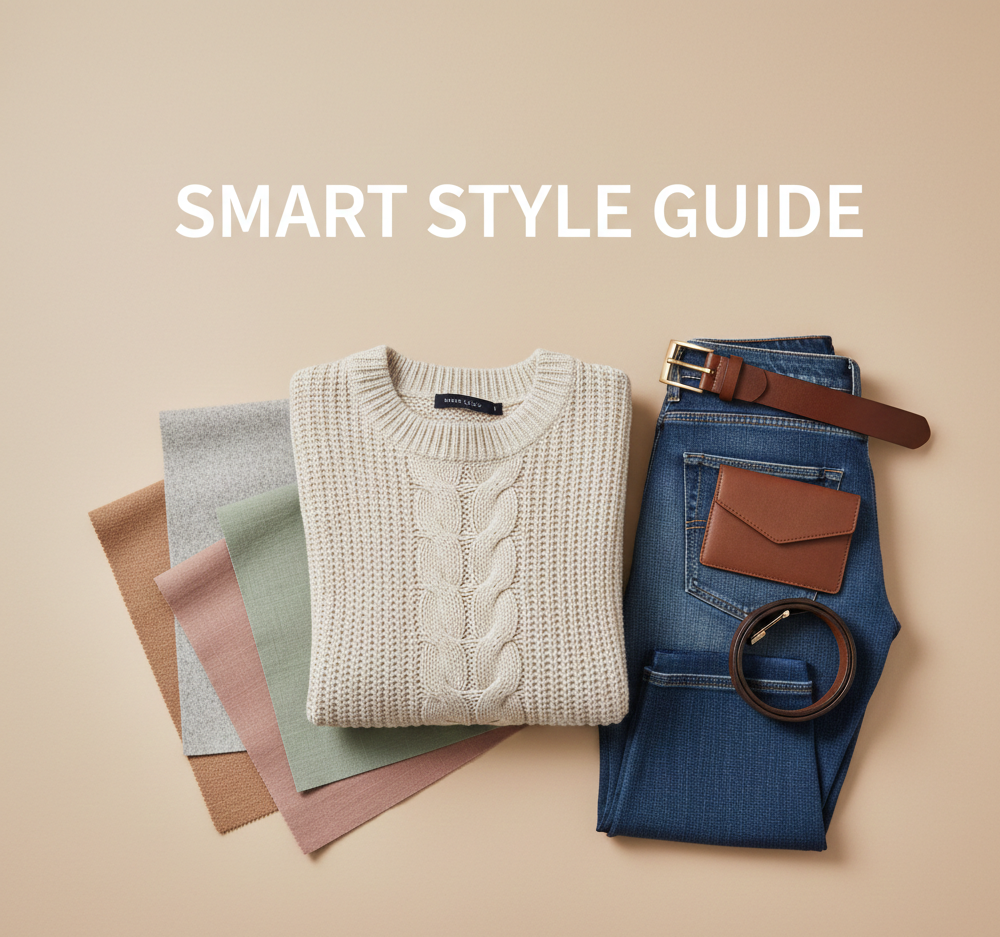
You don’t need an entire wardrobe of premium items. The most “intelligent” dressers use the High-Low Strategy. This means you invest in one or two “high” items (like a great bag or a leather jacket) and pair them with “low” items (like basic T-shirts or affordable jeans).
The “high” item elevates everything else you’re wearing. It creates an overall impression of quality. This allows you to stay within your budget while still having that “put-together” look that turns heads.
4. Tailoring: The Budget-Friendly Secret Weapon
Here is a secret that many fashion insiders don’t talk about: almost nothing fits perfectly off the rack. A $20 pair of trousers from a thrift store can look like a $500 designer pair if you spend $15 to have them tailored to your exact height and waist.
Tailoring is the most cost-effective way to make your wardrobe look premium. When clothes sit correctly on your shoulders and end exactly at your ankles, you look polished and intentional.
5. Sales, Seasons, and Strategy
Shopping on your terms means refusing to pay full price for everything.
- Out-of-Season Shopping: Buy your winter coat in July and your swimsuits in January. You can often find premium quality at 70% off.
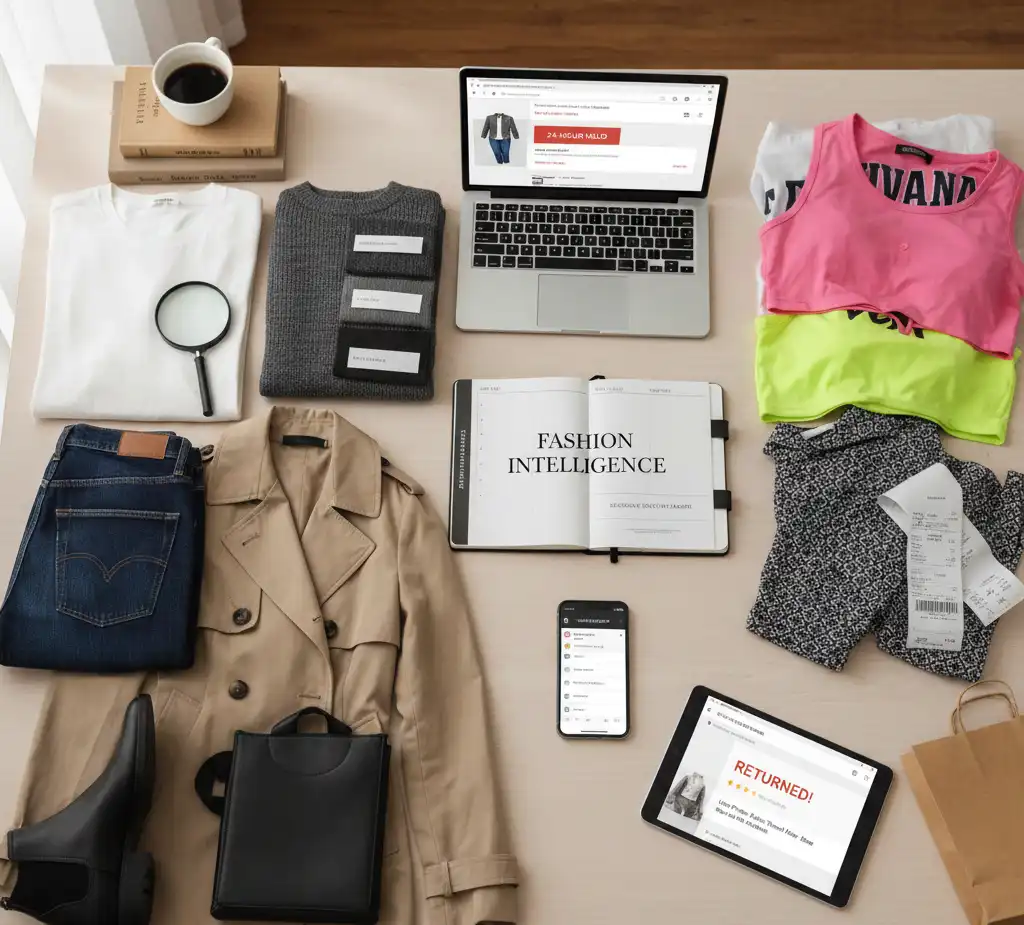
- The 24-Hour Rule: If you see something you love online, put it in your cart and walk away for 24 hours. Most of the time, the “impulse” fades, and you save yourself from a purchase you didn’t really need.
- Newsletter Hacks: Many brands offer “first-time” discounts or “birthday” codes. Use them strategically for the items you’ve already decided to invest in.
Comparison: Fast Fashion vs. Quality Budgeting
| Feature | Fast Fashion Approach | Quality Budget Approach |
| Price | Low upfront, high over time | Mid upfront, low over time |
| Material | Mostly Polyester/Synthetics | Mostly Cotton/Linen/Wool |
| Lifespan | 3–6 months | 3–10 years |
| Look | Trendy, often “shiny” | Timeless, “expensive” texture |
| Impact | High waste | Sustainable/Circular |
Conclusion: Confidence is the Best Accessory
At the end of the day, “Fashion on Your Terms” is about freedom. It’s the freedom to not care about every passing trend and the confidence to know that you look good because you’ve made smart choices.
When you stop chasing “more” and start choosing “better,” your relationship with your closet changes. You stop feeling stressed every morning and start feeling excited to get dressed. Remember, quality isn’t a price tag—it’s a standard you set for yourself.
Frequently Asked Questions (FAQ)
1. How do I know if a “cheap” item is actually good quality?
Check the materials tag! Even affordable stores sometimes carry items made of 100% cotton or linen. Avoid anything that feels “plastic-y” or has loose threads. If the fabric feels heavy and the seams are straight, it’s a good sign.
2. I have a very tight budget. Where is the best place to start?
Start with your “Basics.” A good pair of jeans and a few high-quality T-shirts in neutral colors (black, white, navy) will give you dozens of outfit combinations. Once you have a solid foundation, you can slowly add one “investment” piece at a time.
3. Is it okay to buy trends?
Of course! Fashion should be fun. The “Intelligence” approach suggests using the 80/20 rule: 80% of your budget goes to quality basics that last, and 20% goes to fun, trendy items that you might only wear for a season.
4. How can I make my clothes last longer?
The way you wash your clothes is just as important as how you buy them. Wash in cold water, air-dry whenever possible, and store your sweaters folded instead of hanging (to prevent stretching). This can double the life of your budget-friendly finds.
5. What is “Cost-Per-Wear” and why does it matter?
It’s a simple way to see the true value of an item. Take the price and divide it by how many times you think you’ll wear it. A $50 dress you wear twice is $25 per wear. A $100 jacket you wear 100 times is only $1 per wear. The jacket is the better deal!