


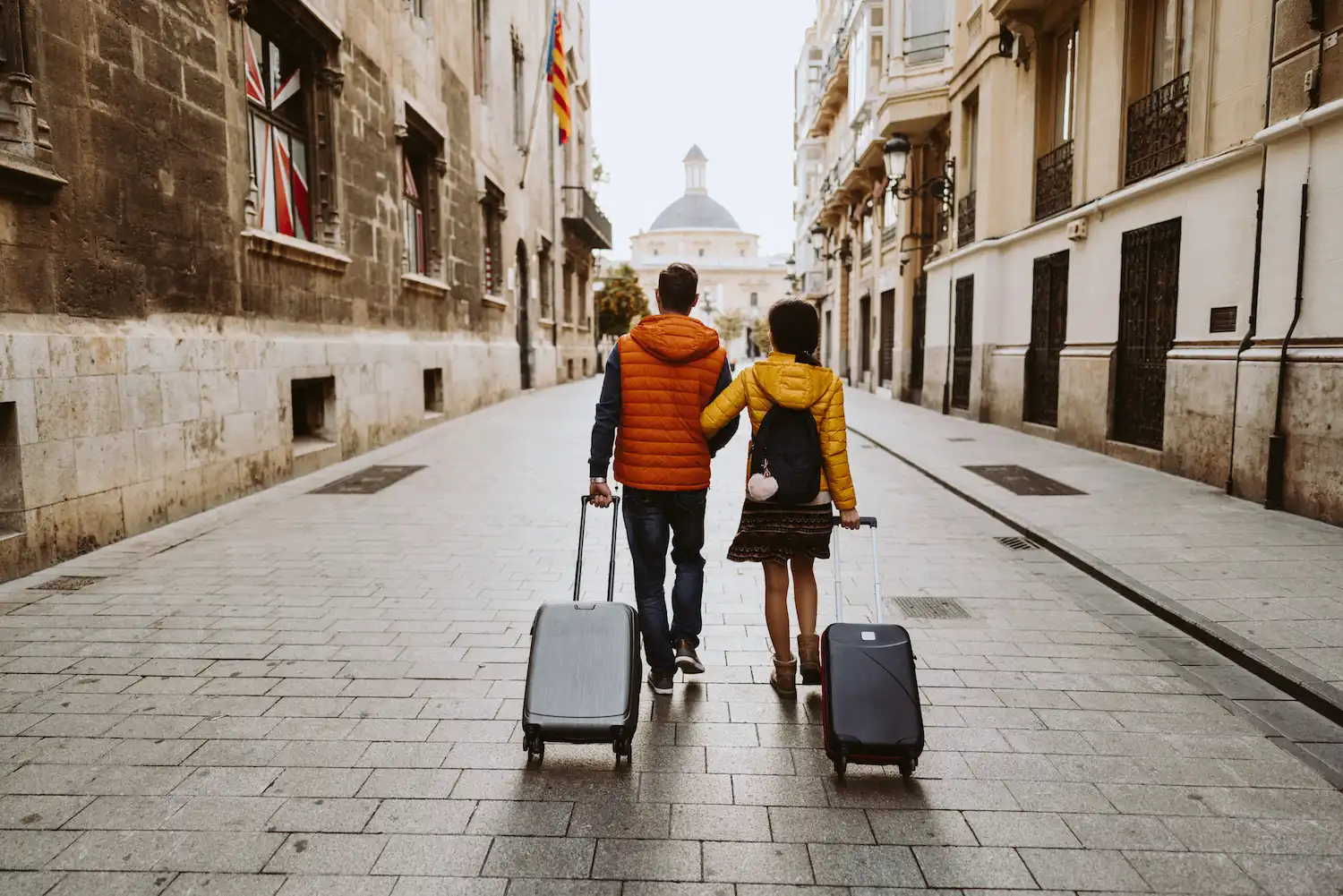
Do you ever scroll through social media, seeing people sipping coconuts on white sandy beaches or trekking through ancient ruins, and think, “Must be nice to be rich”? It’s a common myth that travel is a luxury reserved for the wealthy. In reality, some of the most life-changing adventures happen when you’re watching your pennies. Budget travel isn’t about deprivation; it’s about making smart choices that allow you to stay on the road longer. Whether you are a student, a freelancer, or just someone tired of the 9-to-5 grind, seeing the world is entirely possible on a modest budget.
1. Start with Your Mindset
Before you even pack a bag, you have to change how you think about “vacation.” If you think travel means 5-star hotels and private tours, your bank account will drain fast. However, if you see travel as an opportunity to live like a local, eat street food, and walk through historic neighborhoods, the world suddenly becomes much cheaper.
The secret is flexibility. If you are willing to change when you go and where you stay, you can cut your costs by 50% or more.

2. Timing is Everything: The Magic of the “Shoulder Season”
The easiest way to save money is to avoid “Peak Season.” This is when everyone else is traveling (like mid-summer or Christmas). Prices for flights and hotels skyrocket because the demand is so high.
Instead, aim for the Shoulder Season. This is the sweet spot between the busy season and the off-season. For example:
- Europe: May or September.
- Southeast Asia: October or November.
You get great weather, fewer crowds, and—most importantly—massive discounts on accommodation.
3. Fly Smarter, Not Harder
Flight prices fluctuate more than the stock market. To get the best deal, use tools like Google Flights or Skyscanner.
- Be Spontaneous: Use the “Search Everywhere” feature to find the cheapest destination from your airport.
- Mid-week Travels: Flying on a Tuesday or Wednesday is almost always cheaper than flying on a Friday or Sunday.
- Incognito Mode: While debated, many travelers swear by searching for flights in private browsing mode to avoid price hikes based on your search history.
4. Rethink Your Accommodation
You don’t need a fancy hotel room that you’re only going to use for sleeping. There are so many alternatives today:
- Hostels: Not just for 19-year-olds! Many hostels offer private rooms that are cheaper than hotels but still give you a social atmosphere.
- Guesthouses/Homestays: In places like Bali or Vietnam, staying with a local family is cheaper and gives you a much more authentic experience.
- Housesitting: Sites like TrustedHousesitters allow you to stay in someone’s home for free in exchange for looking after their pets.

5. Eat Like a Local
Food is often the biggest expense after flights. If you eat at restaurants located right next to major tourist attractions, you will pay “tourist tax” prices.
- Follow the Crowds: Look for the street food stall with the longest line of local people. That’s where the food is best and cheapest.
- The Lunch Special: In many countries, fancy restaurants offer a “Menu del Dia” (Menu of the day) at lunch for a fraction of the dinner price.
- Go Grocery Shopping: Visit a local market. Buying fresh bread, cheese, and fruit for a picnic in a park is a memory you’ll cherish more than an overpriced pasta dish.
6. Transportation: Skip the Taxis
Taxis and Ubers are budget-killers. Most international cities have incredible public transport systems.
- Walk: It’s free, it’s healthy, and it’s the best way to discover hidden gems you’d miss from a car window.
- Buses and Trains: Use local transport apps to navigate like a pro.
- Night Trains/Buses: If you’re traveling between cities, take a night bus. It covers your transportation and your “hotel” cost for the night in one go!

7. Find Free Activities
You’d be surprised how many world-class experiences cost zero dollars.
- Free Walking Tours: Most major cities have them. Just remember to tip your guide at the end!
- Museum Days: Many famous museums have “free entry” days once a month or on specific evenings.
- Nature is Free: Hiking a mountain, swimming in a lake, or watching the sunset on a beach doesn’t cost a dime.

Final Thoughts
Budget travel isn’t about being “cheap”—it’s about being resourceful. It’s about prioritizing experiences over things. When you stop worrying about the thread count of your sheets and start focusing on the conversations you have with locals and the views from the top of a free hiking trail, you’ll realize that the best parts of travel aren’t for sale anyway.
Frequently Asked Questions (FAQ)
1. Is budget travel safe? Absolutely! Being on a budget doesn’t mean staying in unsafe areas. It just means being more intentional with your spending. Always do your research, read reviews of hostels, and keep your valuables secure just as you would on any trip.
2. How much money do I need to travel for a month? This depends entirely on the region. In Southeast Asia or parts of Central America, you can live comfortably on $1,000–$1,500 a month. In Western Europe or the USA, you might need $3,000+.
3. Should I get a travel credit card? If you manage your money well, yes. Many travel cards offer “sign-up bonuses” that can pay for a round-trip flight. Plus, they often have no foreign transaction fees, which saves you 3% on every purchase abroad.
4. Can I travel on a budget with a family? Yes! It requires more planning, but opting for apartment rentals (with a kitchen) and focusing on outdoor activities like parks and beaches can make family travel very affordable.