



We’ve all been there: staring at a shiny new gadget, wondering if it will actually make our lives better or just end up in a drawer full of tangled cables. In a world where “smart” is slapped onto everything from toothbrushes to refrigerators, making the right tech decisions is harder than ever. It’s easy to get caught up in the hype, but true smart tech shouldn’t just be high-tech—it should be helpful. This guide is about cutting through the noise and choosing tools that save you time, energy, and a little bit of sanity in our fast-paced modern world.
The “Is It Worth It?” Framework
Before you hit “Add to Cart,” ask yourself three simple questions to ensure your next tech purchase is a smart one:
- Does it solve a real problem? (e.g., “I always forget to lock the door” vs. “I want my toaster to talk to me.”)
- Is it easy to use? If the setup takes three hours and an engineering degree, you probably won’t use it.
- Does it play well with others? Ensure it fits into your existing ecosystem (Apple, Google, or Alexa).
1. Home Automation: Starting with the “Why”
The biggest mistake people make with smart homes is buying everything at once. Start with the “low-hanging fruit”—devices that offer the most immediate value.
- Smart Thermostats: These are the MVPs of smart tech. They learn your schedule and save you money on energy bills without you lifting a finger.
- Smart Lighting: It sounds like a luxury until you’re tucked into bed and realize the kitchen light is still on. Being able to dim the whole house with a voice command is a game-changer.
- Video Doorbells: This is the ultimate peace-of-mind tool. Whether it’s checking for a package or seeing who’s at the door while you’re at work, it’s a security essential.

2. Personal Productivity: The Digital Assistant in Your Pocket
Your smartphone is the hub of your modern life, but are you using it correctly? Smart tech decisions here aren’t just about the hardware; they’re about the ecosystem.
- Wearables: A good smartwatch isn’t just for counting steps. It’s a tool for “notification filtering.” Instead of pulling out your phone and getting sucked into social media, you can glance at your wrist to see if a text is actually urgent.
- Noise-Canceling Headphones: In a world of open offices and loud commutes, these are a mental health tool. Investing in quality audio tech allows you to create a “focus bubble” anywhere.
3. Kitchen Tech: Efficiency Over Gimmicks
The kitchen is where most “junk tech” lives. To make a smart decision here, focus on versatility.
- Air Fryers/Multi-Cookers: These are smart because they replace multiple appliances and cook food in half the time.
- Smart Coffee Makers: If your morning routine is a struggle, having a machine that starts brewing the moment your alarm goes off is a legitimate life upgrade.
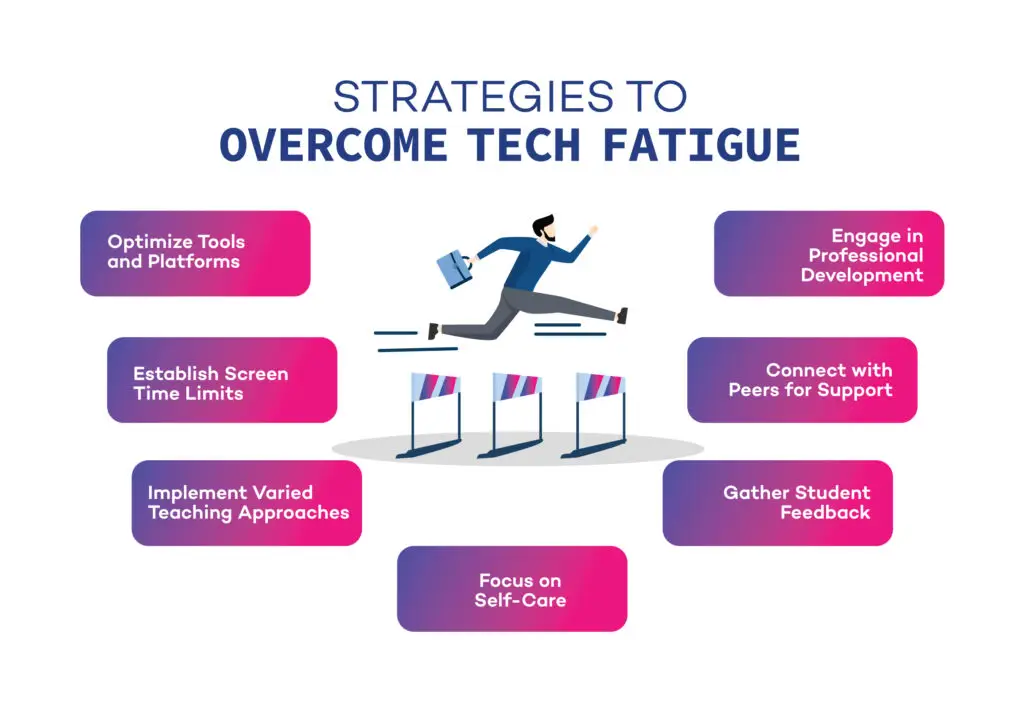
How to Stay Within Budget (and Avoid Tech Fatigue)
You don’t need the “Pro” or “Ultra” version of everything. Often, the mid-range model has 90% of the features for 60% of the price.
- Read Long-Term Reviews: Don’t just look at reviews from launch day. Look for “Six Months Later” videos to see if the tech actually holds up.
- Wait for the “S” Curve: Never buy version 1.0 of a brand-new type of tech. Wait for version 2.0 or 3.0 when the bugs are worked out and the price drops.
The Human Side of Tech
At the end of the day, the smartest tech decision you can make is knowing when to turn it off. The best gadgets are the ones that fade into the background and let you get back to what matters: spending time with family, focusing on your hobbies, and getting a good night’s sleep. Tech should serve you; you shouldn’t serve your tech.
Frequently Asked Questions (FAQ)
1. Is smart home tech hard to install for someone who isn’t “techy”?
Not anymore! Most modern devices (like smart plugs and bulbs) are “plug-and-play.” If you can use a smartphone app, you can set up 90% of the smart home products on the market today.
2. Will smart devices really save me money on my electricity bill?
Yes, specifically smart thermostats and smart LED bulbs. A smart thermostat can pay for itself in energy savings within 1-2 years by optimizing your heating and cooling when you aren’t home.
3. Do I need a “Hub” like Alexa or Google Home?
While not strictly necessary (many devices work with just a phone app), having a central hub makes life much easier. It allows you to create “routines”—for example, saying “Goodnight” can lock your doors, turn off your lights, and lower your thermostat all at once.
4. How do I protect my privacy with smart devices?
Always change the default passwords, enable two-factor authentication (2FA) on your accounts, and stick to reputable brands that provide regular security updates.
5. What is the one smart device everyone should have?
If we had to pick one, it’s a Smart Plug. It’s the cheapest way to turn “dumb” appliances (like an old lamp or a fan) into smart ones, giving you a taste of automation for under $15.