



We all dream of that perfect getaway—sipping coffee in a Parisian café, hiking a lush mountain trail, or just relaxing on a quiet beach. But the bridge between dreaming of a trip and actually taking one is often paved with stress. We open dozens of browser tabs, get confused by fluctuating flight prices, and worry constantly about overspending or making the “wrong” choice. It doesn’t have to be this way. Smart travel planning isn’t about being a spreadsheet wizard; it’s about making conscious, informed choices that prioritize your happiness over hype. Let’s ditch the overwhelm and learn how to build a journey that is smooth, memorable, and packed with real value.
Defining “Value” (It’s Not Just About Being Cheap)
The first step to smart planning is changing your mindset about money. Many people think “smart travel” just means finding the absolute cheapest option for everything. That is a recipe for misery.
Smart travel is about value. Value means spending your money on the things that truly enhance your experience and cutting back on the things that don’t matter to you.
Before you book anything, ask yourself: What does an ideal trip look like for me?
- Are you a foodie? Then spending extra on a renowned local food tour is great value, even if it’s expensive.
- Are you just looking for a place to crash after exploring all day? Then a basic, clean hostel room is better value than a pricey hotel with amenities you won’t use.
Don’t chase a $10 saving on a flight if it means a 12-hour layover in the middle of the night. That’s not smart; that’s just exhausting.
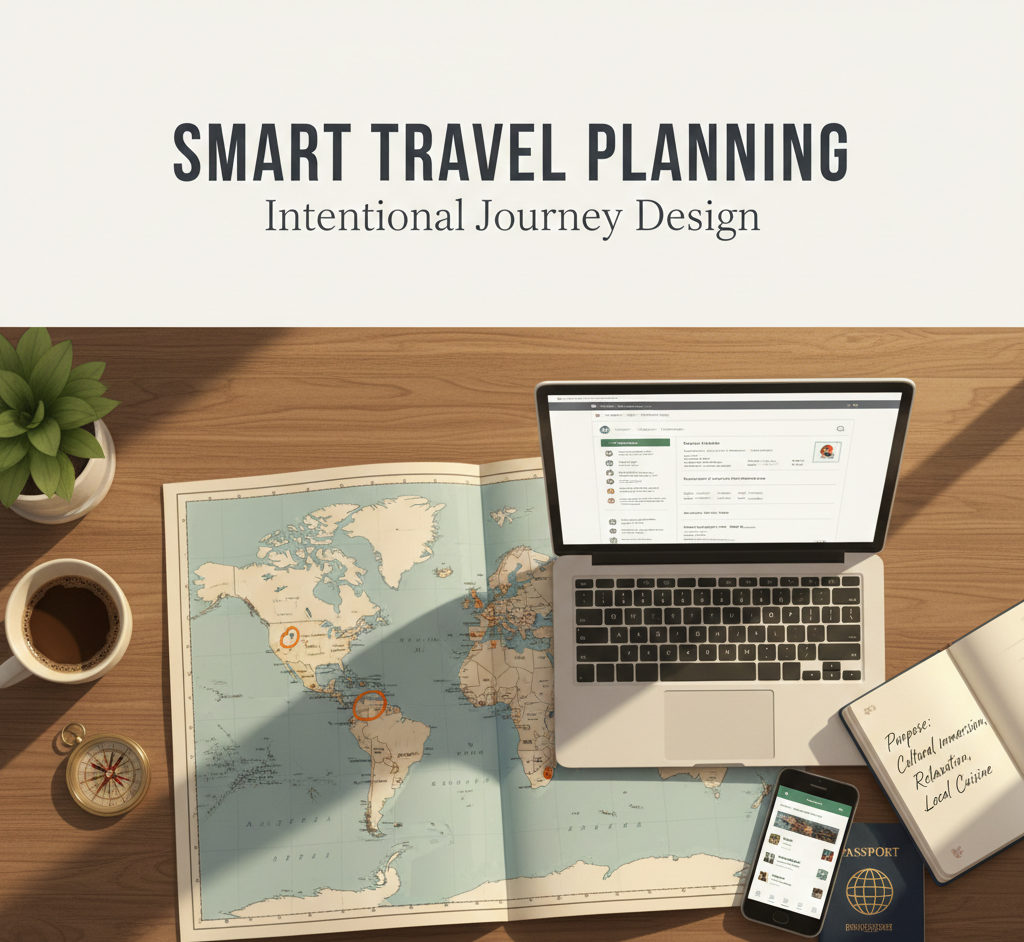
Mastering the “When” and “Where”
Flexibility is the single most powerful tool in a smart traveler’s arsenal. If you are locked into traveling during peak times (like Christmas or mid-summer school holidays), you will pay peak prices and battle peak crowds.
Embrace the Shoulder Season: If possible, aim for the “shoulder season.” This is the sweet spot between the busy season and the off-season. For Europe, this is often May/June or September/October. You generally get fantastic weather, longer daylight hours, but fewer crowds and significantly lower prices for accommodation and flights compared to July and August.
Be Open-Minded About Destinations: Sometimes the “must-see” destinations are overpriced and overcrowded. Smart planning involves looking for alternatives that offer a similar vibe for less stress. Want to see beautiful canals and historic architecture? Instead of Venice in July, consider Ljubljana in Slovenia or Ghent in Belgium. You get a more authentic experience without fighting throngs of tourists.
The Art of the Realistic Itinerary
One of the biggest mistakes travelers make is trying to do too much. We feel pressured to “see it all” because we spent money to get there.
A jammed itinerary is the fastest route to travel burnout. If you try to visit five cities in ten days, you aren’t traveling; you are just commuting in a foreign country. You’ll spend half your trip on trains, in airports, or checking into hotels.
The “Less is More” Rule: Smart planning means building breathing room into your schedule. Plan one major activity or sight for the day, and leave the rest of the time open for wandering, spontaneous coffees, or just resting. You will remember a relaxed afternoon chatting with a local shopkeeper far more fondly than a frantic dash past ten monuments just to take a photo.

Accommodation: Location vs. Luxury
Where you sleep is important, but maybe not for the reasons hotels want you to believe.
When choosing accommodation, prioritize location and reviews over star ratings. A cheaper hotel located 45 minutes outside the city center might seem like a good deal, but you will end up spending that saved money on transportation, and more importantly, you’ll waste precious vacation time commuting.
Look for central locations that allow you to walk to major sites or easily access public transport. Read recent reviews from other travelers, paying close attention to comments about noise levels, bed comfort, and cleanliness. Today, alternatives like apartment rentals (which let you save money by cooking some meals) or modern “boutique hostels” (which often offer private rooms) can provide better value than traditional mid-range hotels.
The Boring (But Essential) Logistics
Smart travel isn’t just about the fun stuff; it’s about protecting yourself and your wallet from surprises.
Don’t Skip Insurance: It feels like an annoying extra cost, until you need it. If you trip on a cobblestone street and break an ankle, or if your flight gets cancelled due to a strike, travel insurance is the difference between a hiccup and a financial disaster.
Watch the Fees: Before you leave, ensure you have a credit card that doesn’t charge foreign transaction fees. Otherwise, banks often charge an extra 3% on every single thing you buy abroad. Those coffees add up! Also, always choose to pay in the local currency when using your card machines abroad; letting their machine convert to your home currency usually comes with a terrible exchange rate.e while planning. If a booking doesn’t support it, skip it.

Conclusion
Smart travel planning is a skill that gets easier with practice. By shifting your focus from just “finding cheap deals” to “creating value,” you reduce stress and increase enjoyment. It involves being honest about what kind of traveler you really are, rather than the traveler Instagram tells you to be. When you plan smartly, the goal isn’t just to arrive at a destination; it’s to enjoy the entire journey, knowing you’ve made the best decisions for a trip that is uniquely yours.
Frequently Asked Questions (FAQ)
1. How far in advance should I start planning and booking a trip? Generally, the sweet spot for booking international flights is about 3 to 6 months in advance. For accommodation in popular destinations during peak times, sooner is always better. However, don’t stress if you are booking last minute; you just need to be more flexible with your choices.
2. How do I create a travel budget that actually works? Start with the big fixed costs: flights and accommodation. Then, research the average daily cost of food and local transport in your destination (travel blogs are great for this). Set aside a “fun fund” for activities and souvenirs. Finally, add a 15% “buffer” for unexpected costs—because they always happen.
3. Are travel agents still useful for smart planning? For simple trips (like a weekend city break), you can easily plan it yourself online. However, for complex itineraries, honeymoons, or multi-country trips, a good travel agent can actually save you time and stress, and sometimes they have access to deals you can’t find publicly.
4. What if I plan everything and it still goes wrong? It will! Trains run late, attractions close unexpectedly, and it might rain on your beach day. Smart travel is about attitude. When things go wrong, take a deep breath, grab a coffee, and pivot. Sometimes the “Plan B” turns out to be the best part of the trip.