


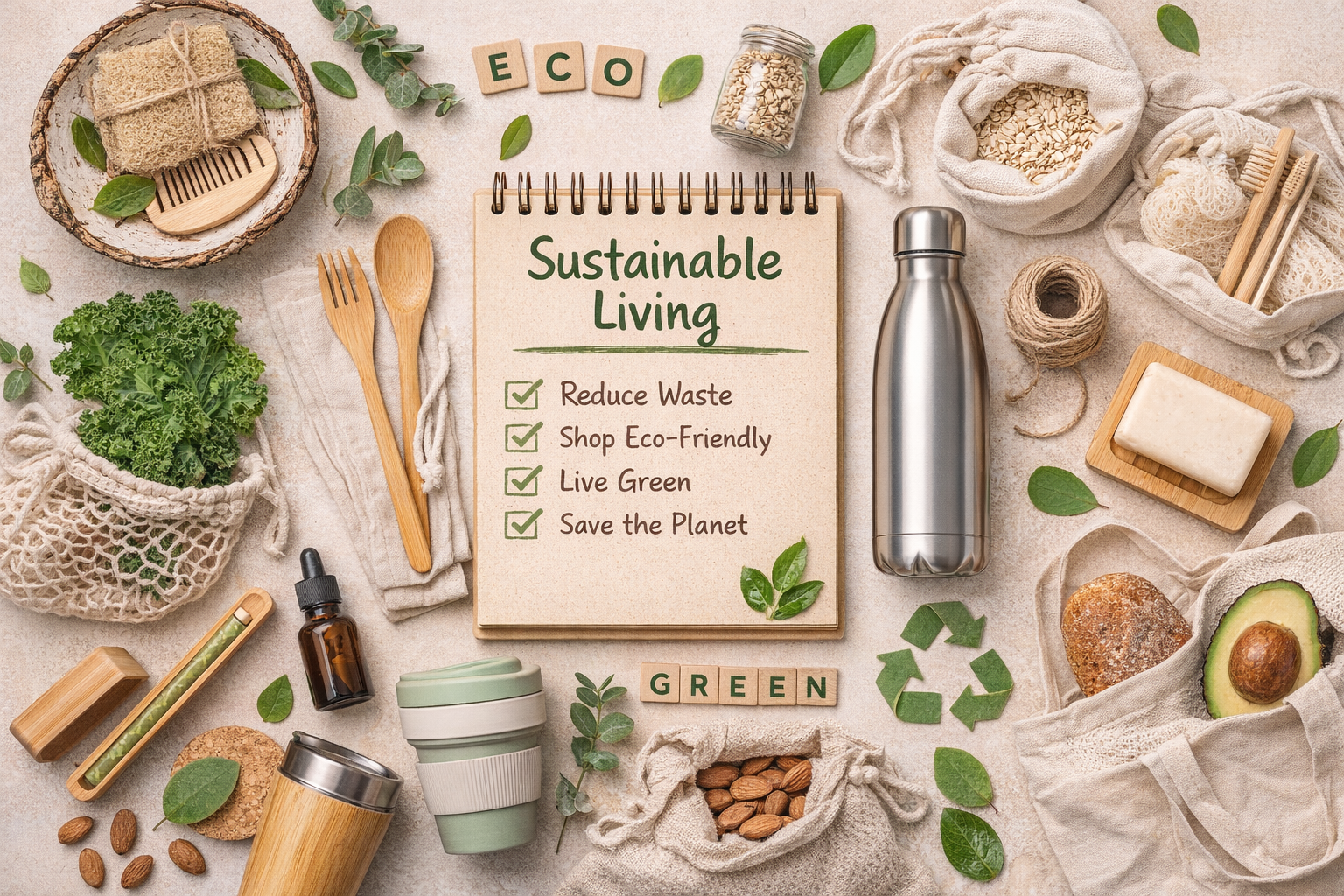
For years, living “sustainably” felt like a full-time job. We spent our weekends decoding plastic numbers and feeling guilty about our coffee cups. But in 2026, the vibe has shifted. We’ve moved past the era of empty corporate promises and into the era of real-world action. Today, being eco-friendly isn’t about being perfect; it’s about being smart. Technology has finally caught up with our values, making it easier to shop with a conscience. From digital “passports” on our clothes to cities that treat waste like a resource, this guide is your companion for a modern, meaningful, and earth-friendly life.
The 2026 Shift: From “Less Bad” to “Actually Good”
In the past, sustainability was about “doing less harm.” We tried to use less water, less plastic, and less energy. In 2026, the gold standard is Regenerative Living. This means choosing products and habits that actually help the planet heal.
Whether it’s supporting farms that put carbon back into the soil or buying tech designed to be taken apart and upgraded, we are finally building a world where our existence adds value to the environment. It’s an exciting time to be a conscious consumer!
1. The Digital Product Passport (DPP): Transparency in Your Pocket
The biggest game-changer this year is the Digital Product Passport (DPP). You’ve probably seen these QR codes on your new laptop battery or your favorite organic cotton hoodie.
When you scan a DPP, you aren’t just looking at a marketing page. You’re seeing the “life story” of that item. In 2026, regulations now require many products to disclose:
- Source: Exactly where the raw materials were grown or mined.
- Impact: The total carbon and water footprint of that specific item.
- Repairability: A score telling you how easy it is to fix if it breaks.
- End-of-Life: Clear instructions on how to recycle or return the product so it doesn’t end up in a landfill.
2. Beyond Organic: The Rise of Regenerative Materials
We all know “organic,” but 2026 is the year of Regenerative Agriculture. Traditional organic farming avoids chemicals, but regenerative farming goes further—it restores biodiversity and sucks CO2 out of the atmosphere.
When shopping for fashion or food, look for “Regenerative Certified.” Fibers like hemp and linen are making a huge comeback because they require almost no extra water and actually improve the soil they grow in. Even “biotech” fabrics are hitting the mainstream, such as leather made from mushroom roots (mycelium) or packaging made from seaweed that you can literally toss in your backyard compost to melt away.
3. The Circular Closet: Resale and Repair
The “fast fashion” rush is slowing down. In 2026, the coolest thing you can wear is something with a history. Circular Fashion is now the norm, driven by three major habits:
- Re-commerce: Major brands now have their own “pre-loved” sections on their websites. You can buy a high-quality coat, wear it for two years, and then sell it back to the brand for store credit.
- The Repair Revolution: “Right to Repair” laws mean that brands are now selling DIY repair kits. Instead of throwing away a bag with a broken zipper, you can fix it yourself with a 5-minute video guide.
- Rental Hubs: For special occasions, we’ve moved away from “buying for one night.” Subscription-based rental apps allow you to have a rotating wardrobe of designer pieces without the environmental cost of ownership.
4. Smart Urban Living: Refill Stations and AI Recycling
In 2026, cities have gotten much smarter about waste. If you live in a modern urban area, you’ve likely noticed the Refill Revolution.
- Refill Walls: Many grocery stores now feature “refill walls” for everything from laundry detergent to olive oil. You bring your own glass jars, scan them, and pay only for the product—saving money and plastic.
- AI-Driven Sorting: Have you ever stood in front of three bins, unsure where your pizza box goes? In 2026, many public bins use AI sensors to “look” at your trash and tell you exactly where to put it. This has massively increased the quality of our recycling, ensuring that what can be reused actually is.
5. Tech Longevity: Choosing “Modular”
Tech waste (e-waste) was a massive problem in the early 2020s. Today, we shop for Modular Tech. This means buying devices where the screen, battery, or camera can be swapped out individually.
Human Note: If your phone’s battery starts to die, you shouldn’t have to buy a whole new phone. In 2026, the “smart” choice is the one that is designed to stay in your pocket for five years, not eighteen months.
Sustainability Comparison: How Materials Stack Up
| Material | Environmental Impact | Durability | End-of-Life |
| Hemp/Linen | Very Low (Restores Soil) | High | Compostable |
| Recycled Polyester | Medium (Uses Waste) | High | Recyclable (but sheds microplastics) |
| Mushroom Leather | Low (Carbon Sink) | Medium-High | Biodegradable |
| Conventional Cotton | High (Water/Pesticides) | Medium | Biodegradable (if untreated) |
| Virgin Plastic | Very High (Petroleum) | High | Permanent Waste |
Conclusion: Your Impact Matters
Sustainable living in 2026 isn’t about moving to a cabin in the woods (unless you want to!). It’s about making small, intelligent choices every day. By using Digital Product Passports, supporting regenerative brands, and embracing the circular economy, you are voting for a healthier planet with every dollar you spend.
Living well today means ensuring that the world is even better tomorrow. Start small—pick one item in your house to replace with a refillable version, or check the repairability score of your next gadget. You’ve got the power to make a difference!
Frequently Asked Questions (FAQ)
1. Is “Sustainable” always more expensive?
Not anymore! While some premium eco-brands have a higher upfront cost, the “Cost-Per-Use” is often much lower because the items last longer. Plus, habits like using refill stations or buying “pre-loved” gear from brand resale sites can actually save you 20–50% compared to buying new, low-quality items.
2. What is a “Repairability Score” and where can I find it?
A Repairability Score is a rating from 1 to 10 that tells you how easy a product is to fix. In 2026, you can usually find this on the product’s online listing or by scanning its Digital Product Passport. A score of 8 or above means you can likely fix it yourself with basic tools!
3. Do I really need to stop using plastic altogether?
In 2026, we focus on “Problem Plastics”—single-use items like straws, thin bags, and over-packaged snacks. High-quality, durable plastic that lasts for 20 years (like a sturdy storage bin) isn’t the enemy; the goal is to stop “disposable” culture.
4. How does “Regenerative” differ from “Organic”?
Think of organic as “doing no harm” (no chemicals). Think of regenerative as “doing good” (active healing). Regenerative practices focus on things like “no-till” farming and cover crops that pull carbon out of the air and put it back into the soil, helping to fight climate change while growing our food and clothes.
5. I feel overwhelmed—what’s the single most important thing I can do?
The most impactful thing you can do is buy less, but buy better. Before you buy anything, ask: “Do I need this? Can I fix what I already have? And will this last me five years?” Reducing the total number of things we buy is the ultimate sustainability hack.