



In 2026, we don’t just use technology; we live inside it. From AI agents that schedule our lives to homes that breathe with us, the digital world is more immersive than ever. But more tech doesn’t always mean a better life. Real “Tech Intelligence” isn’t about owning the most expensive gadgets; it’s about making intentional choices that serve your happiness and productivity. Whether you’re upgrading your home or simplifying your screen time, the goal is the same: technology should be your invisible assistant, not your demanding boss. Let’s explore how to choose wisely.
The Evolution of Choice: From Features to Benefits
Remember when we bought phones based on megapixel counts? In 2026, those days are over. Smart digital choices today are about seamlessness. We are looking for tools that “just work” without requiring a weekend of troubleshooting.
When you’re looking at new tech—whether it’s for work or home—stop looking at the spec sheet. Instead, look at the friction. Does this device remove a step from your day? Does it integrate with what you already own? A smart decision is one that gives you back time, not one that adds another charging cable to your nightstand.
1. The Smart Home Revolution: Privacy and Connectivity
The biggest shift recently has been the universal adoption of the Matter protocol. If you’re shopping for smart home tech, this is your golden rule: if it doesn’t support Matter, think twice.
- Smart Hubs: Choosing between Alexa, Google, and Apple is less about the brand and more about the “Agent.” Modern hubs now use Agentic AI, meaning they don’t just turn on the lights; they can predict when you’re coming home and pre-heat the oven or start your favorite “wind-down” playlist.
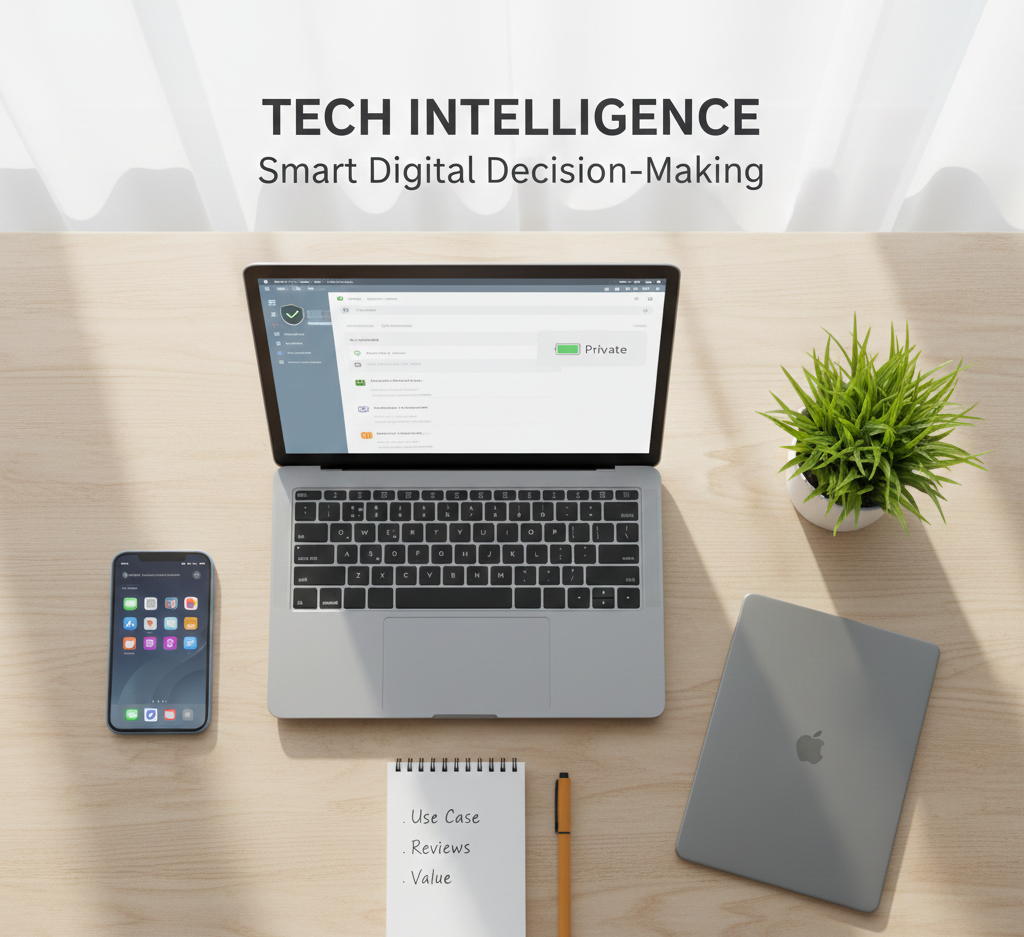
- Security First: Smart locks and video doorbells are essentials, but the “intelligent” choice here involves Local Processing. Look for cameras that store data on a hub in your house rather than the cloud. It’s faster, safer, and saves you those annoying monthly subscription fees.
2. AI Agents: Your New Digital Coworkers
We’ve moved past simple chatbots. Today, we have AI Agents. These are digital assistants that can actually perform tasks—like booking a flight, researching a 10-page report, or managing your emails.
To make a smart choice in this space, look for “Personalized AI.” The best tools are those that learn your specific voice and preferences over time. If you’re a freelancer or a small business owner, investing in a high-quality AI subscription is no longer a luxury; it’s a productivity multiplier that pays for itself in a week.

3. The “Dumb Tech” Movement: Finding Balance
Surprisingly, one of the smartest tech decisions in 2026 is knowing when to go “dumb.” We’re seeing a massive rise in minimalist tech:
- E-Ink Tablets: These are perfect for reading and note-taking without the blue light and social media distractions of a standard tablet.
- Dumb Phones: Many people are choosing secondary “minimalist” phones for weekends to disconnect from the digital noise.
- Physical Buttons: In the kitchen and the car, “smart” is shifting back to tactile. Choosing appliances with real knobs and buttons rather than complex touchscreens is often the more durable, user-friendly choice.
How to Buy Smart (and Save Money)
Tech intelligence also applies to your wallet. With the rapid pace of innovation, buying the “latest and greatest” every year is a trap.
- The Two-Year Rule: For most personal electronics, the jump in quality between version 1.0 and 2.0 is huge. But between version 4.0 and 5.0? It’s usually tiny. Skip a generation; your bank account will thank you.
- Modular Tech: Look for brands that allow you to replace batteries or upgrade components. In a world of “disposable” tech, choosing a repairable laptop or phone is a high-IQ move for both your wallet and the planet.
- Subscription Audit: Most of us are paying for “ghost” features we don’t use. Every three months, look at your app subscriptions. If an AI tool hasn’t saved you at least two hours of work this month, cancel it.
The Human Element: Tech for Well-being
Ultimately, the smartest digital choice is the one that makes you feel more human. Does your smartwatch help you sleep better, or does it make you anxious about your “readiness score”? Does your smart home make your morning routine peaceful, or is it a source of frustration when the Wi-Fi drops?
Tech Intelligence is about setting boundaries. It’s about using the 2026 landscape of hyper-connectivity to build a life that feels more grounded, not more cluttered.
Frequently Asked Questions (FAQ)
1. What is the “Matter” protocol and why should I care? Matter is a new standard that allows smart home devices from different brands (like Apple, Google, and Amazon) to work together perfectly. Choosing Matter-compatible devices ensures your home tech won’t become “obsolete” if you switch phone brands later.
2. Is it worth paying for “Pro” versions of AI tools? If you use AI for work (writing, coding, or scheduling), yes. The Pro versions usually offer better privacy, faster processing, and more “Agentic” capabilities that can save you hours of manual labor. For casual use, the free versions are usually more than enough.
3. Are smart glasses finally worth it in 2026? We’ve seen a huge leap in smart glasses recently. If you find yourself constantly checking your phone for directions or notifications, smart glasses can actually help you stay more “present” by keeping your eyes up. However, they are still a niche choice—make sure the battery life fits your daily routine before buying.
4. How can I keep my data safe with all these AI agents? The smartest choice is to look for tools that offer “On-Device Processing.” This means your personal data never leaves your gadget. Always check the privacy settings and opt-out of “data training” wherever possible.
5. What is the most “bang-for-your-buck” smart device right now? A Smart Thermostat. It’s one of the few pieces of tech that actively pays for itself by lowering your energy bills. Plus, the comfort of a home that knows exactly when to cool down or warm up is a high-value lifestyle upgrade.