

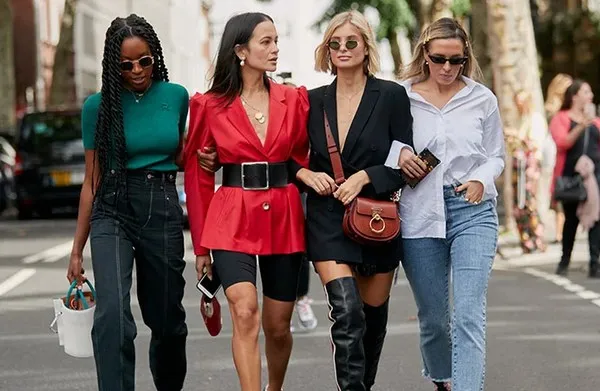
Ever feel like you finally nailed a trend, only to realize everyone else has already moved on? It’s exhausting. Fashion moves at the speed of a refresh button, leaving most of us feeling a step behind. But style shouldn’t be a race; it should be an evolution. Welcome to The Fashion Forecast, your stress-free guide to what’s coming next. We filter out the noise of the runway to bring you wearable, relatable trends that actually fit your real life. Whether you’re a minimalist or a maximalist, we’re here to help you navigate the future of your closet with total confidence.
What Exactly is a Fashion Forecast?
If you’ve ever wondered how stores all seem to decide that “butter yellow” is the color of the year at the exact same time, you’ve seen a forecast in action. A fashion forecast isn’t just a wild guess. It’s a mix of data, cultural shifts, and a bit of artistic intuition.
At The Fashion Forecast, we look at what’s happening in the world—from technology to the environment—and translate that into what you’ll see in your favorite shops. But we do it differently. Instead of telling you to go out and buy a whole new wardrobe, we help you “forecast” how to use what you already have while adding a few key pieces that will keep you feeling fresh.
The Trend Cycle: Why Old Becomes New Again
Have you noticed that the clothes your parents wore in the 90s are suddenly everywhere? That’s the “Trend Cycle” at work. Usually, trends come back every 20 to 30 years. However, in 2026, that cycle is moving even faster because of social media.
The secret to mastering The Fashion Forecast is knowing where a trend is on this cycle.
- The Introduction: This is when you see a weird new look on a celebrity.
- The Peak: This is when you see it in every mall in the country.
- The Decline: This is when it starts showing up on the clearance rack.
Our goal is to help you find the “Rise” stage—where a trend is cool and new, but still easy enough to wear to work or a weekend brunch.
Key Trends for 2026: What to Watch
Looking ahead, we are seeing a major shift away from “disposable” fashion. People are tired of clothes that fall apart after three washes. Here is what our forecast is showing for the coming months:
1. “Tech-Tile” Fabrics
Technology is finally merging with our clothes in a way that isn’t just for athletes. We’re talking about fabrics that regulate your body temperature or resist stains without using harsh chemicals. Imagine a blazer that keeps you cool during a stressful presentation but warm during a chilly commute. That’s the future.
2. The Return of the Silhouette
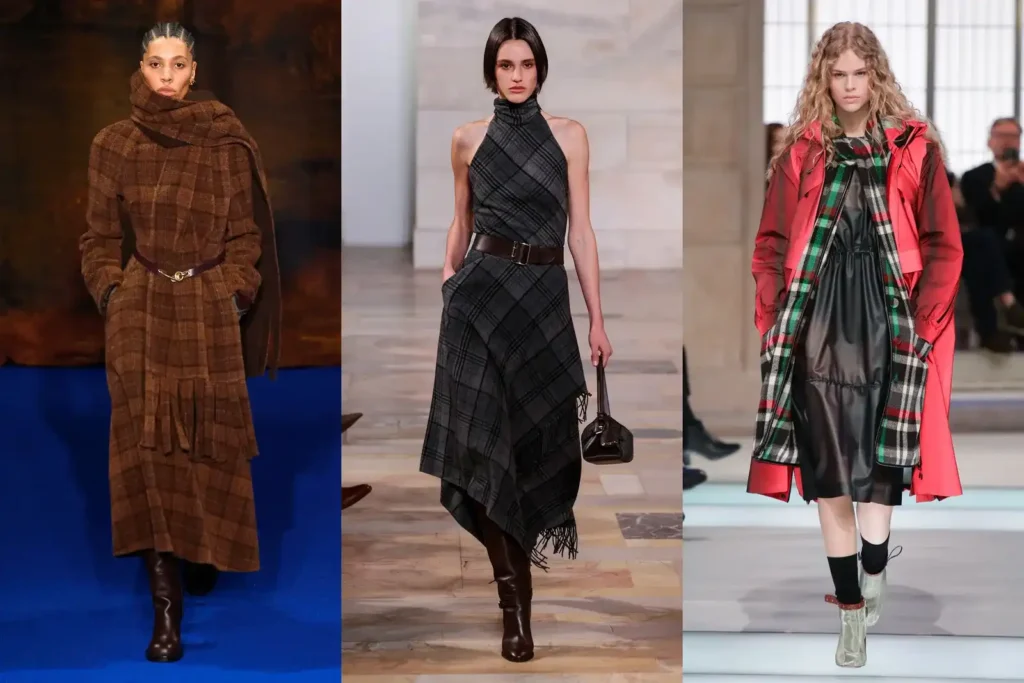
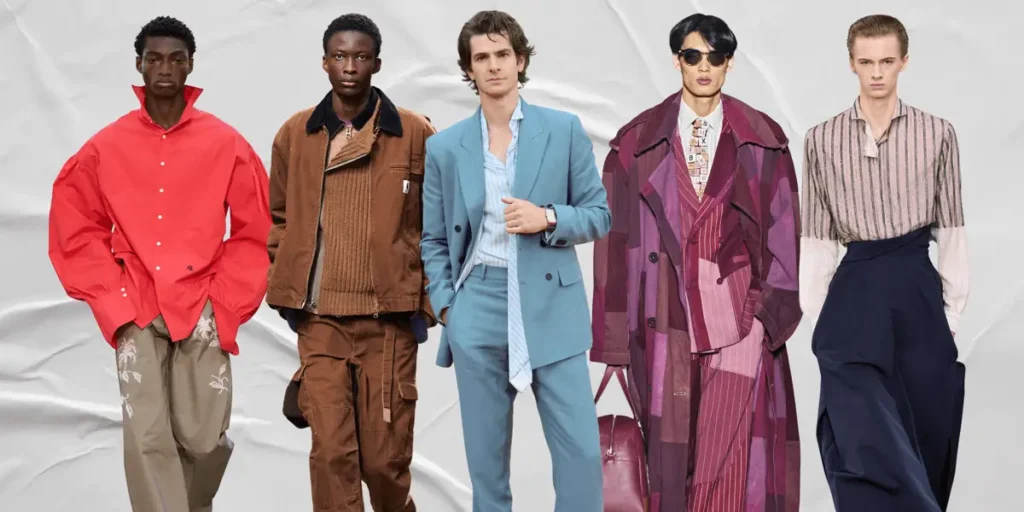
For a few years, everything was “oversized” and baggy. The forecast is now shifting toward more structured shapes. Think cinched waists, sharp shoulders, and trousers that actually fit. It’s a move back toward “polished” dressing, but with the comfort we’ve all grown to love.
3. Earth-First Aesthetics
In 2026, being “green” isn’t just a buzzword; it’s a style. We are seeing a huge rise in natural dyes—colors made from mushrooms, berries, and roots. This creates a soft, “Neutral Ground” palette that looks expensive and feels incredibly calming.
How to Forecast Your Own Wardrobe
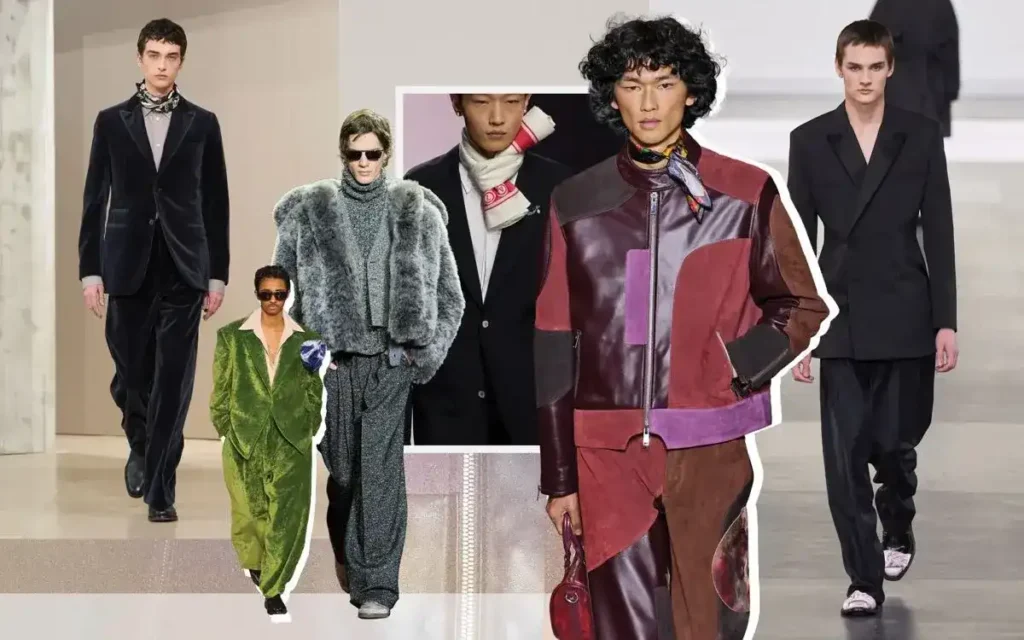
You don’t need a degree in design to be your own forecaster. It just takes a little bit of intentionality. Here is how you can stay ahead of the curve without spending a fortune.
Look at Your “Most Worn”
Open your closet. What are the three items you grab every single week? These are your Foundation Pieces. A good forecast starts with these. If you love denim, your “forecast” should focus on how denim styles are changing (maybe moving from skinny jeans to straight-leg or wide-leg).
The “One-Trend” Rule
To stay trendy without looking like you’re trying too hard, only wear one “forecasted” item at a time. If high-tech metallic fabrics are trending, wear a metallic top with your favorite old jeans. It balances the “new” with the “you.”
Quality Over Clutter
Let’s be real: buying ten cheap shirts is actually more expensive than buying one high-quality shirt that lasts five years. The Fashion Forecast encourages “investment dressing.” Look for natural fibers like cotton, linen, and wool. They breathe better, look better, and—most importantly—they last.
Sustainable Style: The Trend That Never Ends
If there is one thing we want you to take away from The Fashion Forecast, it’s this: the most stylish thing you can be in 2026 is a conscious consumer.
Sustainable fashion isn’t just about buying from “eco” brands. It’s also about:
- Thrifting and Resale: Finding “pre-loved” gems that have character.
- Mending: Learning how to sew a button or fix a hem instead of throwing the garment away.
- The Capsule Wardrobe: Having a smaller collection of clothes where everything goes with everything else.
When you choose quality and sustainability, you aren’t just following a forecast—you’re helping shape a better future for the industry.
Frequently Asked Questions (FAQs)
Q: How do I know if a trend is right for me? A: If it makes you feel uncomfortable or like you’re wearing a costume, skip it! The best “forecast” is one that aligns with your personality. Trends are suggestions, not rules. If “neon green” is trending but you hate it, stick to your neutrals. Confidence is always the best accessory.
Q: Where can I find affordable forecasted pieces? A: You don’t always have to go to high-end boutiques. Stores like Zara, H&M, and even Target are very quick at picking up on forecasts. However, for a more unique and sustainable approach, try sites like Depop, Poshmark, or your local vintage shop. Often, the “new” trend is just a repeat of something from 20 years ago!
Q: Does a “Fashion Forecast” only apply to clothes? A: Not at all! Forecasting covers everything—accessories, hair styles, makeup, and even home decor. Currently, the forecast is leaning toward “minimalist jewelry” and “natural, glowing skin,” which perfectly complements the move toward sustainable, breathable fabrics.
Q: How often does the forecast change? A: Major “seasonal” forecasts happen twice a year (Spring/Summer and Fall/Winter). However, smaller “micro-trends” pop up every few weeks on social media. We recommend ignoring the micro-trends and focusing on the seasonal shifts to keep your wardrobe feeling timeless yet current.