


Introduction
In a world that never seems to stop, choosing to slow down is a quiet act of rebellion. We are constantly told to “hustle,” stay “busy,” and keep up with every notification on our phones. But in 2026, the real luxury isn’t a faster car or a bigger house—it’s peace of mind. Slow Living and Wellness is about reclaiming your time and energy. It is a lifestyle that encourages you to do things at the right speed, not the fastest speed. By focusing on the “now” instead of the “next,” you can reduce stress, improve your health, and finally start living a life that feels as good as it looks.
What is Slow Living?
Slow living is not about being lazy or doing nothing. It is about intentionality. It means choosing to do the things that matter to you with your full attention. For many of us, life has become a checklist of tasks we rush through just to get to the end of the day. Slow living asks us to stop and ask: Why am I rushing?
Imagine a morning where you don’t immediately reach for your phone to check emails. Instead, you listen to the sound of the kettle boiling, feel the warmth of your mug, and watch the sun come through the window. That is slow living. It is the art of being present in your own life.
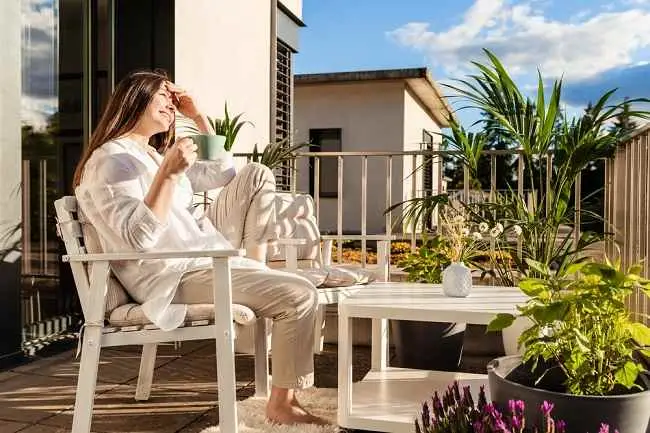
The Connection Between Slowness and Wellness
Our bodies were not built for the constant noise and speed of the modern world. When we are always “on,” our nervous system stays in a state of high alert. This leads to high cortisol levels, which can cause poor sleep, anxiety, and even physical pain.
Wellness isn’t just about going to the gym or eating a salad. It is about how you treat your mind and body throughout the day. When you adopt a slower pace:
- Your Stress Drops: Your heart rate slows down, and your body moves out of “fight or flight” mode.
- Your Digestion Improves: Eating slowly and mindfully helps your body process nutrients better.
- Your Sleep Deepens: By slowing down in the evening, you signal to your brain that it is safe to rest.
Simple Ways to Start Your Slow Living Journey
You don’t need to move to a cabin in the woods to practice slow living. You can start exactly where you are with these small, human steps:
1. The “Ten-Minute Transition”
Instead of jumping from one task to another, give yourself ten minutes of “white space” in between. Use this time to stretch, breathe, or just sit quietly. It prevents the stress of one task from bleeding into the next.
2. Sensory Engagement
We spend so much time in our heads (and on our screens). Slow living brings us back into our bodies. When you are doing chores, like washing dishes or folding laundry, notice the smell of the soap or the texture of the fabric. It turns a “chore” into a moment of mindfulness.
3. Digital Detours
Our phones are the biggest “speed-up” tools in our lives. Try taking a “digital detour” for one hour a day. Put your phone in a drawer and do something analogue—read a physical book, write in a journal, or go for a walk without headphones. You will be amazed at how much longer and richer an hour feels when you aren’t scrolling.
Creating a Slow Home Sanctuary
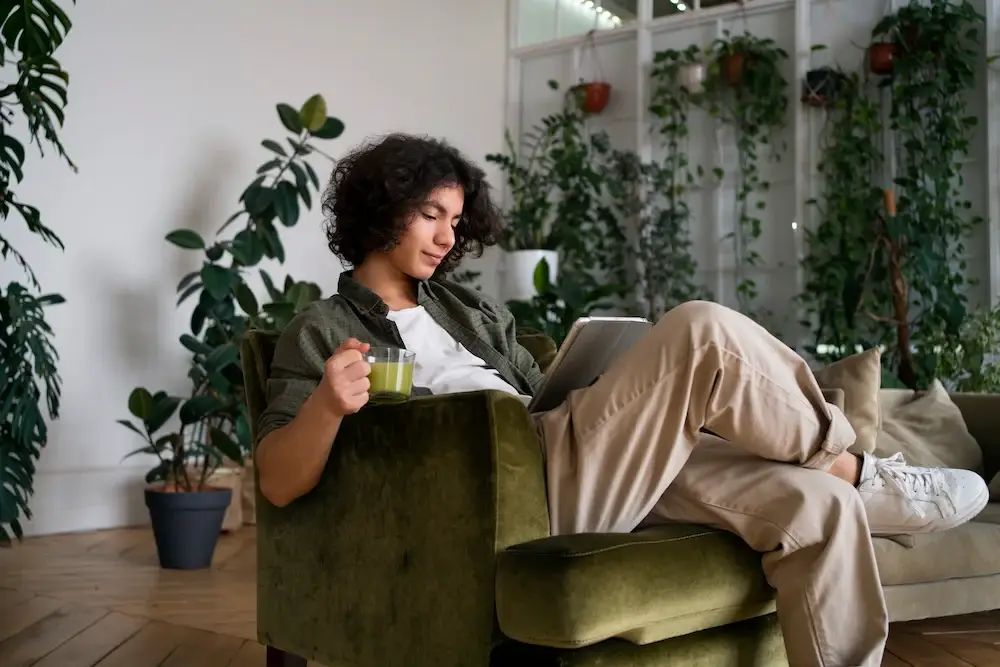
Your home should be the place where the world slows down. You can design your space to support your wellness without spending a lot of money.
- Lower the Lights: In the evening, switch off the big “overhead” lights and use small lamps or candles. This helps your body prepare for sleep.
- Bring Nature In: Plants aren’t just for looks; they improve air quality and have a calming effect on our brains. Even a single small succulent on your desk can make a difference.
- Declutter Your “Vision”: If your house is messy, your brain feels messy. You don’t need to be a minimalist, but clearing off your main surfaces (like the kitchen table) can give your mind room to breathe.
The Human Side: Learning to Say “No”
The hardest part of slow living is often the social pressure to be busy. We feel guilty for not attending every party or taking on every project. But remember: Saying “No” to a busy schedule is saying “Yes” to your health.
It is okay to protect your peace. You are not “missing out” when you choose to stay home and rest. You are gaining the energy you need to be a better friend, partner, and person when you are out in the world.
Conclusion: Finding Your Own Rhythm
Slow living and wellness look different for everyone. For some, it might be a slow Sunday roast with family. For others, it’s a quiet morning yoga routine. There is no “right” way to do it.
The goal is simply to find a rhythm that feels sustainable. Life is a marathon, not a sprint. By choosing to move a little slower, you aren’t falling behind; you are making sure you actually enjoy the scenery along the way. So, take a deep breath, put your phone down for a moment, and just be. You’ve earned this peace.
Frequently Asked Questions (FAQs)
Q: Is slow living expensive? A: Actually, it usually saves you money! Slow living encourages you to buy less, cook at home more, and find joy in simple (and free) things like walking or reading. You don’t need fancy “wellness” products to live slowly.
Q: Can I practice slow living if I have a busy job or kids? A: Yes! Slow living is even more important for busy people. It’s not about changing your whole life; it’s about finding “pockets of peace” within your current life. Even taking three deep breaths before you pick the kids up from school is a form of slow living.
Q: Will I get less done if I slow down? A: Surprisingly, no. When you slow down and focus on one thing at a time (mono-tasking), you often work more efficiently. You make fewer mistakes and don’t waste energy on “fake busyness.” You might do fewer things, but the things you do will be done better.
Q: What is “Forest Bathing”? A: It sounds fancy, but it just means spending time in nature without any distractions. You aren’t “hiking” for exercise; you are just being in the woods, looking at the trees, and breathing the fresh air. It is one of the fastest ways to lower your stress levels.
Q: How do I handle people who think I’m being “lazy”? A: Most people who judge others for slowing down are actually burned out themselves. You don’t need to explain yourself. Let your calm energy and your improved health be the proof that your “Gentle Pace” is working.