


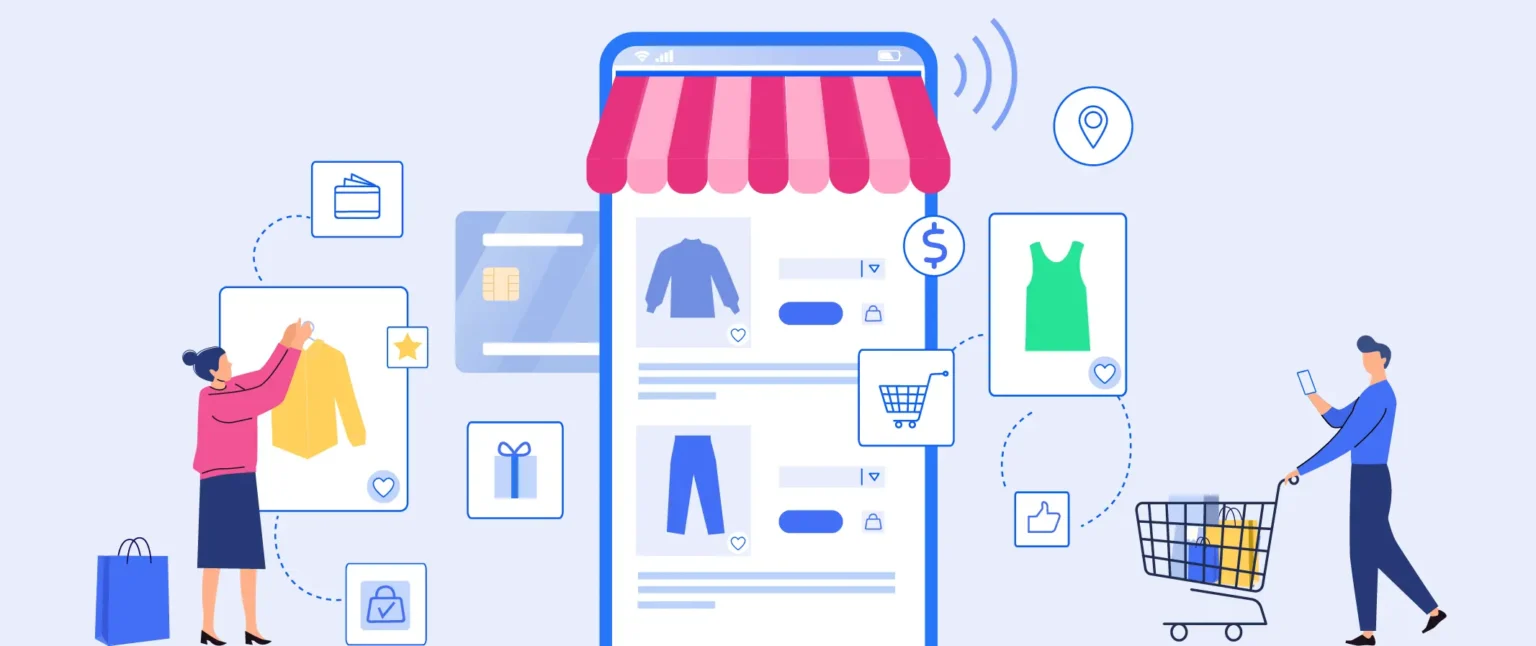
Welcome to 2026, where the “extreme couponing” of the past has been replaced by sleek, silent, and smart digital strategies. We no longer spend our Sunday mornings cutting paper slips from newspapers; instead, we let AI-powered extensions and personalized algorithms do the heavy lifting for us. But while the tools have changed, the goal remains the same: getting the absolute best value for every dollar you spend. This isn’t just about saving pennies; it’s about a lifestyle of intentionality. In this guide, we’ll show you how to master the modern shopping landscape, outsmart dynamic pricing, and build a high-quality life without breaking the bank.
The New Rules of the Game: Shop Smarter, Not Harder
In the past, shopping for deals was a full-time job. Today, “Shopping Intelligence” is the name of the game. The modern shopper understands that a “deal” isn’t just a low price tag—it’s a combination of quality, timing, and savvy technical hacks. To truly unlock better deals, you need to shift your mindset from “reactive” (buying when you see a sale) to “proactive” (planning your purchases around data).

1. Master the Art of Price Tracking
The biggest secret of 2026 retailers is dynamic pricing. This is where prices fluctuate based on your location, browsing history, and even the time of day. To beat the algorithm, you need to use tools that track these changes over months, not just minutes.
- CamelCamelCamel & Keepa: These are essential for Amazon shoppers. They show you a graph of a product’s price history. If you see that a “Limited Time Deal” is actually the price the item has been at for the last six months, you know to walk away.
- Price History Alerts: Most modern browsers now have built-in tracking. Set a “target price” for high-value items like electronics or appliances. You’ll get a push notification the second it hits your sweet spot, saving you from constant manual checking.
2. The “Stacking” Strategy: The Triple Threat
A single coupon is nice, but “stacking” is where the real magic happens. In 2026, the most successful shoppers use a triple-layered approach for every purchase:
- The Extension: Use a browser extension like Honey or Capital One Shopping. These automatically test every known promo code at checkout in seconds.
- The Cashback App: Before you hit “buy,” make sure you’ve activated a cashback offer through Rakuten or Ibotta. This is literally free money that gets sent back to you after the purchase.
- The Rewards Card: Always use a credit card that offers the highest cashback percentage for that specific category (e.g., 3% for groceries or 5% for travel).
By combining these three, you can often knock an additional 15–20% off the “sale” price.
3. Outsmarting the Algorithm
Retailers use your “cookies” to see how badly you want an item. If you keep visiting a page, they might actually raise the price because they know you’re close to buying. To stop this:
- Go Incognito: Always do your final price check in a private or incognito window.
- Use a VPN: Sometimes, prices are lower in different regions or countries. A VPN allows you to “shop from anywhere” and unlock local-only discounts.
- The Abandoned Cart Hack: Log into your account, put the item in your cart, and then close the tab. Many stores are programmed to send you a “Please come back!” email within 24–48 hours, often containing a 10% or 15% discount code to seal the deal.
4. The “Cost-Per-Wear” Philosophy
True shopping strategy isn’t just about finding the lowest price; it’s about finding the highest value. We’ve all bought a “cheap” $10 shirt that shrank after one wash. That shirt actually cost you $10 per wear.
On the other hand, if you buy a high-quality, $100 organic cotton hoodie and wear it 100 times over three years, it only costs you $1 per wear.
- Invest in “The Basics”: Spend your money on things you use daily (shoes, jackets, bedding).
- Save on “The Trends”: Buy trendy, one-season items at thrift stores or during end-of-season clearance sales.
5. Leverage the Power of Community
In 2026, some of the best deals aren’t found on major retailer sites—they’re found in “Third Places” and community groups.
- Buy Nothing Groups: Local Facebook or Reddit groups are goldmines for high-quality items that people are giving away for free just to clear space.
- Resale Platforms: Sites like Depop, Vinted, and Poshmark are now powered by AI search. You can set an alert for a specific designer brand and size, and the app will find you a “pre-loved” version for 70% off the retail price.
6. Seasonal Strategy: Shop in the “Off” Months
This is an oldie but a goodie that most people still ignore. To unlock the deepest discounts, you must be a “reverse shopper.”
- Buy Winter Gear in July: Retailers hate holding onto bulky coats in the summer and will practically give them away.
- Buy Tech in February: After the holiday rush and the January “new year, new me” fitness craze, tech prices often dip before the spring releases.
Summary: Your Shopping Strategy Checklist
| Action | Tool/Method | Why it Works |
| Track | Keepa / Google Shopping | Prevents buying during “fake” sales. |
| Stack | Rakuten + Honey + Rewards Card | Multiplies your savings automatically. |
| Wait | 24-Hour Rule / Abandon Cart | Stops impulse buys and triggers extra codes. |
| Research | Cost-Per-Wear Formula | Ensures you buy quality over quantity. |
Conclusion: Saving is a Superpower
Unlocking better deals isn’t about being stingy; it’s about being the boss of your own money. By using a few simple digital tools and shifting your perspective toward quality and timing, you can live a “premium” lifestyle on a standard budget. Remember, the best deal isn’t the one that’s the cheapest—it’s the one that brings the most value and joy to your daily life.
Happy hunting!
Frequently Asked Questions (FAQ)
1. Are browser extensions like Honey safe to use? Yes, generally. Most popular extensions make money through commissions from the retailers, not by selling your personal data. However, it’s always smart to read the privacy settings. If you’re very concerned about privacy, you can use a separate browser just for shopping.
2. Is it better to shop online or in-store in 2026? It depends! Online usually offers better price tracking and coupon stacking. However, in-store shopping allows you to use “barcode scanning” apps (like Shopbrain) to see if it’s cheaper elsewhere. Plus, many stores now offer “local pickup” discounts where they give you $5 or $10 off if you pick the item up yourself instead of choosing shipping.
3. What should I do if a coupon code doesn’t work? Don’t give up! Try common phrases like WELCOME10, SAVE20, or FREESHIP. If those fail, try the “Live Chat” hack: open the chat box and politely ask the representative if there are any current promotions. Many agents are authorized to give out 10% codes just to prevent you from leaving the site.
4. How can I tell if a “Limited Time Offer” is real? Use a price history tool like CamelCamelCamel. If the “sale” price has been the same for the last month, the timer on the website is just a marketing tactic to create a false sense of urgency.
5. Does buying in bulk always save money? Not always. Always check the “unit price” (the cost per ounce, gram, or item). Sometimes, the “Value Pack” is actually more expensive than buying two smaller packs on sale. Always do the math!very discount—it’s about shopping with intent. When you combine research, timing, and evidence, you turn online shopping into a reliable way to save money without sacrificing quality.